
Sep. 03, 2026
Ultra-Low Temperature Globe Valves for LNG and Cryogenic Applications (-196°C) are engineered shut-off and throttling valves designed to control liquefied natural gas, liquid nitrogen, liquid oxygen, liquid hydrogen, and other cryogenic fluids at temperatures as low as -196°C. Their value to LNG terminals, industrial gas plants, and cryogenic processing facilities is practical: they help isolate equipment, regulate flow, reduce fugitive emissions, and protect personnel and assets during low-temperature operation.
Unlike a standard globe valve, a cryogenic globe valve must manage thermal contraction, brittle fracture risks, seat leakage, stem sealing, and vapor formation. A correctly specified valve supports process safety, reduces unplanned downtime, and improves the operating life of pumps, storage tanks, vaporizers, and transfer lines.
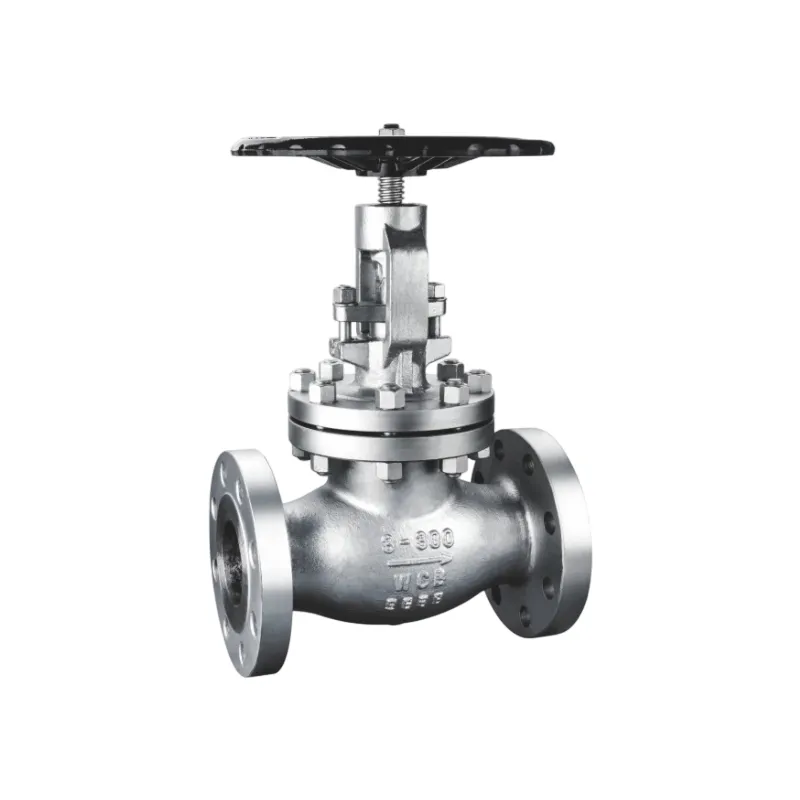
LNG is typically stored and transferred at approximately -162°C, while liquid nitrogen boils at about -196°C under atmospheric pressure. At these temperatures, materials contract, lubricants may freeze, elastomers can lose flexibility, and moisture can form ice around exposed components.
For this reason, Ultra-Low Temperature Globe Valves for LNG and Cryogenic Applications (-196°C) generally include the following design features:
The use of cryogenic valves expanded with the growth of industrial gas production, LNG transportation, aerospace testing, semiconductor manufacturing, and hydrogen infrastructure. Early valve designs often adapted conventional pressure equipment, but low-temperature service revealed problems such as seat leakage, stem seizure, and material embrittlement.
As LNG carriers, storage terminals, and air separation units became larger, manufacturers developed dedicated cryogenic valve designs. Extended bonnets, vacuum-jacketed piping interfaces, improved packing systems, and cryogenic testing became standard engineering considerations.
Today, the specification of a china globe valve for cryogenic duty should be based on verified material traceability, design calculations, production controls, and low-temperature test records—not only on price or exterior appearance. Suppliers such as Chenyu Valve can be evaluated against the same technical requirements used for other international valve suppliers.
A globe valve controls flow by moving a disc or plug toward a stationary seat. The linear movement provides accurate throttling and positive isolation. In cryogenic service, the operating principle is familiar, but the execution must account for thermal behavior.
Because globe valves introduce a relatively high pressure drop compared with some full-bore valve designs, they are often selected where flow regulation and reliable isolation are more important than minimum energy loss. In LNG loading arms, vaporizer systems, pressure-control skids, and instrument branches, this trade-off can be beneficial.
Before purchasing Ultra-Low Temperature Globe Valves for LNG and Cryogenic Applications (-196°C), the engineering team should define the complete operating envelope.
| Specification | What to Confirm | Why It Matters |
|---|---|---|
| Design temperature | For example, -196°C, -162°C, or another project value | Determines material toughness, seat selection, packing, and test requirements |
| Design pressure | Maximum allowable working pressure at the specified temperature | Prevents overpressure and pressure-rating errors |
| Nominal size | DN/NPS, end-to-end dimension, and connection type | Ensures piping compatibility and correct replacement fit |
| Pressure class | Class 150, 300, 600, PN16, PN40, or project-specific rating | Supports safe integration with the piping system |
| End connection | Butt-weld, socket-weld, flanged, or threaded connection | Affects installation, heat input, inspection, and maintenance |
| Flow coefficient | Cv or Kv requirement | Helps avoid undersizing, excessive pressure drop, or unstable control |
| Leakage requirement | Seat and shell leakage criteria | Protects product containment and reduces emissions |
| Actuation | Manual handwheel, pneumatic, electric, or hydraulic actuator | Matches emergency shutdown, control, and maintenance needs |
Standards should be agreed during the inquiry stage. Depending on the project, an LNG or cryogenic valve specification may reference:
A credible quality dossier should include material test certificates, heat-number traceability, dimensional inspection, visual examination, pressure-test records, and any required non-destructive examination. For critical projects, buyers may specify 100% inspection of pressure-containing components, positive material identification, radiographic testing, dye penetrant testing, or ultrasonic testing.
Manufacturing tolerances should be clearly stated rather than assumed. For example, a procurement specification may require machining precision to 0.01 mm on selected sealing or guiding surfaces. That tolerance must be linked to an actual drawing, measurement method, and inspection report.
Not necessarily. Stainless steel grade alone does not prove cryogenic suitability. The valve also requires appropriate impact toughness, bonnet geometry, packing, seat materials, pressure-temperature ratings, and low-temperature testing.
The extended bonnet is a functional safety feature. It helps position the stem packing away from the cold fluid and provides a vapor column that limits heat transfer. The bonnet length should be selected according to the service, insulation arrangement, valve orientation, and manufacturer design.
Ambient-pressure testing is important, but it does not fully reproduce contraction, seat behavior, packing performance, and stem operation at -196°C. When required by the project, request a cryogenic test using the specified procedure and test medium, together with documented acceptance criteria.
A valve with inadequate packing, poor trim alignment, or incomplete documentation can cause leakage, rework, production interruption, and replacement costs. Total cost should include installation, inspection, spare parts, actuator integration, maintenance, and expected service life.
Globe valves are useful for throttling and isolation, but they may not be ideal where very low pressure drop, pigging, or full-bore flow is essential. Ball valves, gate valves, check valves, and control valves may be more appropriate for other sections of the system.
The practical value of Ultra-Low Temperature Globe Valves for LNG and Cryogenic Applications (-196°C) becomes clear when examining typical installations.
Consider an LNG terminal requiring a valve for a pump discharge line operating at -162°C. The preliminary data includes DN100 piping, Class 300 pressure rating, butt-weld ends, frequent cycling, and a requirement to isolate the pump during maintenance.
For a project sourcing a china globe valve, the same example should include supplier qualification, factory audit criteria, traceability requirements, and document review. Chenyu Valve may be included in the vendor comparison, but approval should depend on technical compliance and verified records rather than brand name alone.
When considering Chenyu Valve for cryogenic valve procurement, request a clear technical and commercial package. The following checklist helps reduce project risk:
A supplier should also explain how it prevents moisture contamination. Cryogenic valves normally require controlled cleaning, drying, sealing, and packaging. Residual water can freeze during commissioning and restrict stem or disc movement.
Even a well-designed cryogenic valve can fail if installed incorrectly. Follow the approved piping and equipment layout, and avoid forcing the valve into alignment with the pipe.
Before issuing a purchase order for Ultra-Low Temperature Globe Valves for LNG and Cryogenic Applications (-196°C), include these details:
Ultra-Low Temperature Globe Valves for LNG and Cryogenic Applications (-196°C) are specialized pressure-boundary components for safe isolation and controlled flow at extreme low temperatures. Their performance depends on more than stainless-steel construction: extended-bonnet design, cryogenic-compatible materials, seat integrity, packing performance, manufacturing accuracy, and documented testing are all essential.
Whether the project requires a china globe valve, a replacement valve for an LNG terminal, or a new cryogenic process package, select the product against recognized standards such as BS 6364, ISO 28921-1, ASME B16.34, API 598, and ISO 15848 where applicable. Evaluate Chenyu Valve or any other supplier through drawings, certificates, inspection records, test results, and lifecycle support. A disciplined specification and verification process is the best way to achieve reliable containment, safer operation, and lower total cost.
A: When purchasing, confirm the design temperature, design pressure, nominal size, pressure class, end connection type, flow coefficient, leakage requirements, and actuation method. These specifications ensure the valve meets operational needs and safety standards.
A: Cryogenic globe valves are specifically engineered to handle extreme low temperatures, featuring design elements that manage thermal contraction, minimize leakage, and provide safety against brittle fracture, unlike standard globe valves.
A: No, not all stainless-steel valves are suitable for cryogenic use. Proper materials must be selected for impact toughness, low-temperature performance, and appropriate design features to ensure reliability at extreme conditions.
A: These valves are vital in LNG storage terminals, fueling stations, air separation plants, and industrial gas facilities, providing safe isolation and flow control for cryogenic fluids.
A: Request detailed documentation, including material certificates, pressure test records, and cryogenic test procedures. Evaluating the supplier against recognized standards will help mitigate risks in your procurement process.
Related News
Related Products
Navigation
Navigation
Contact Us
Contact Us
E-mail: abby_zcyvalves@zcyvalve.com
Mobile: +86 133 9699 8344
WeChat: +86 158 8872 1646
WhatsApp: +8615888721646
Add.: Room 401, 4F, NO.1017, JinHai 3rd Avenue, Kong Gang New Zone, Yong Xing Street, Long Wan District, Wen Zhou City, Zhe Jiang, P.R. China.


